Developing a child’s autonomy: the principles of the Montessori method

Learning to get dressed on their own, choosing an activity, tidying up their belongings, or finding a solution when faced with a challenge—as children develop, they gradually acquire the ability to act for themselves. This autonomy is built through everyday experiences, interactions with those around them, and the confidence they develop in their own capabilities.
Developing a child’s autonomy: the principles of the Montessori method

Montessori education places great importance on this process. By providing a carefully prepared environment, accessible learning materials and support that respects each child’s individual pace, the Montessori approach encourages children to explore, take initiative and become active participants in their own learning.

But what does it really mean for a child to be independent? How does this ability develop, and how can adults encourage independence in everyday life?

>
>

Independence in children: more than doing things alone

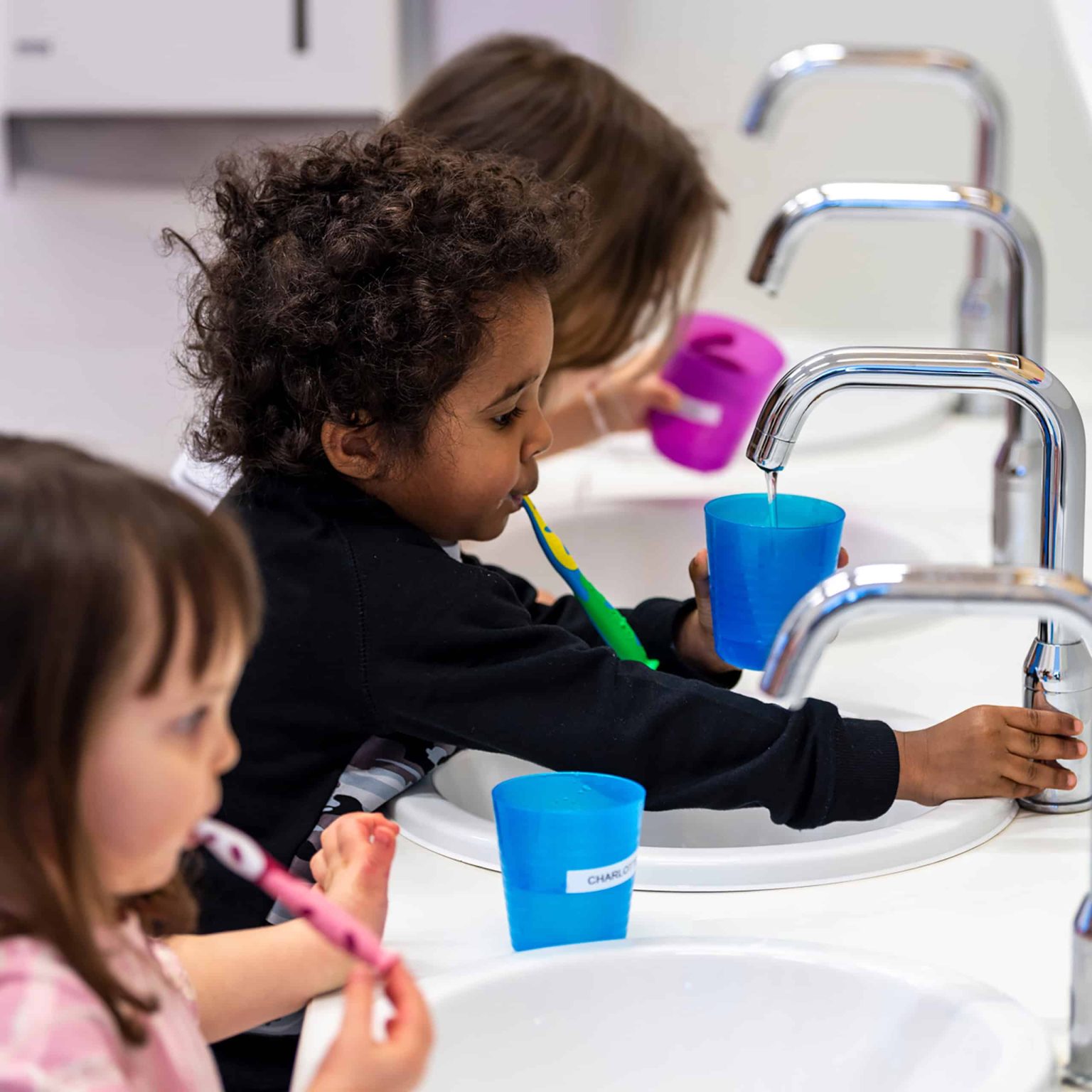
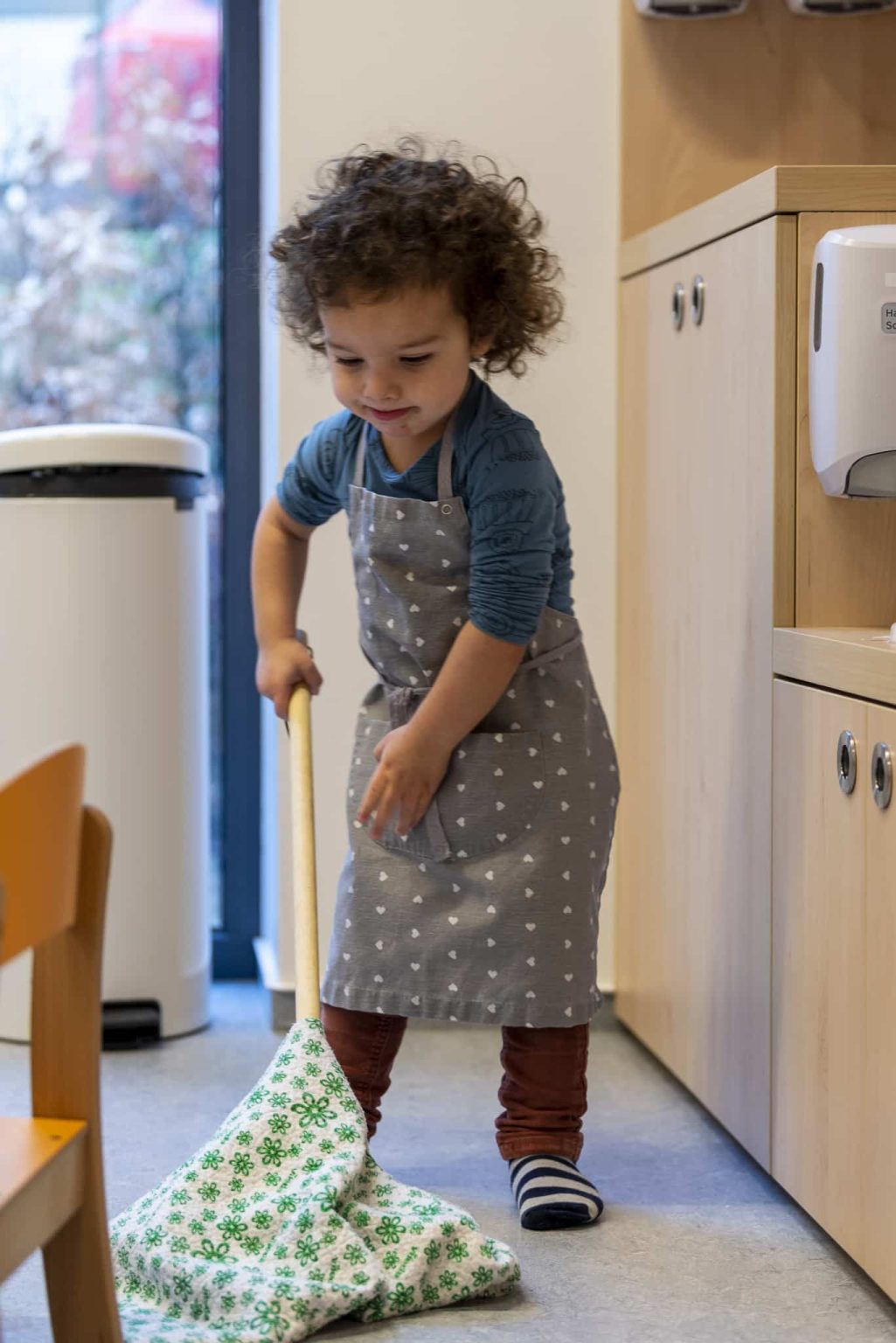
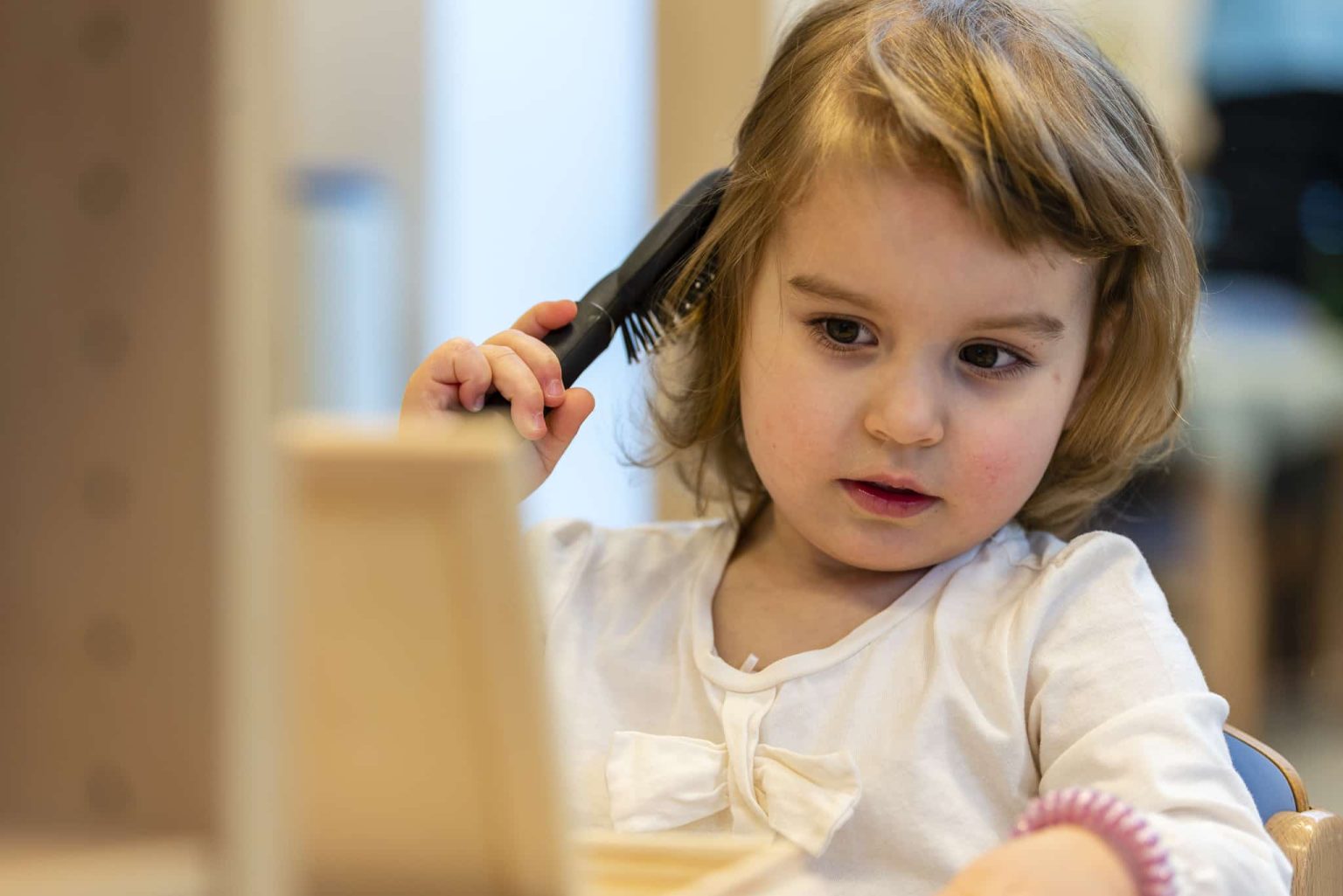
Independence is often associated with everyday tasks: eating without help, getting dressed, putting toys away or washing hands. These skills are important, but they represent only one aspect of what it means for a child to become independent.

Functional independence: learning everyday skills

Functional independence refers to a child’s growing ability to carry out certain actions without always relying on an adult.

By learning to use a spoon, fasten a coat or put belongings away, children develop their coordination, self-confidence and sense of competence. Each new skill enables them to take a more active role in everyday life.

Emotional independence: learning to understand emotions

Becoming independent also means gradually learning to recognise and express emotions.

Anger, frustration, sadness and disappointment are all part of a child’s development. Adults can support children by putting their feelings into words, acknowledging their emotions and providing reassuring boundaries.

Over time, and depending on their stage of development, children learn strategies to navigate certain situations. This does not mean they should always be expected to manage their emotions alone: they still need the presence and support of adults.

Intellectual independence: developing independent thinking

Independence also involves thinking for oneself. It develops when children have opportunities to observe, ask questions, make choices, try different solutions and express their own points of view.

Conversations, discussions and hands-on experiences gradually help children develop their reasoning and critical thinking skills. They learn to listen to others, compare ideas and understand that a problem can sometimes have several possible solutions.

These different dimensions complement one another. Independence is not simply about being able to do things alone; it is also about learning to think, express oneself and act with confidence.

Montessori education: “help me to do it myself”

The well-known phrase associated with Montessori education, “Help me to do it myself”, captures an essential principle: children have the potential to develop and flourish when they have access to an appropriate environment and suitable guidance.

The aim is not to leave children to manage on their own without help. Instead, it is to give them the means to act independently, while taking their abilities and needs into account.

The adult prepares the environment, introduces activities, observes the child and steps in when necessary. Rather than automatically doing things for children that they are capable of attempting themselves, the adult remains available to support them when they encounter difficulties.

This approach reflects the principles promoted by the Association Montessori Internationale (AMI), which emphasises children’s holistic development, their active role in learning and the importance of fostering independence.

This way of supporting children allows them to learn through experience, repeat actions and gradually discover what they are capable of achieving.

>
>

A prepared environment that encourages independence

In a Montessori environment, everything is organised to help children become increasingly independent.

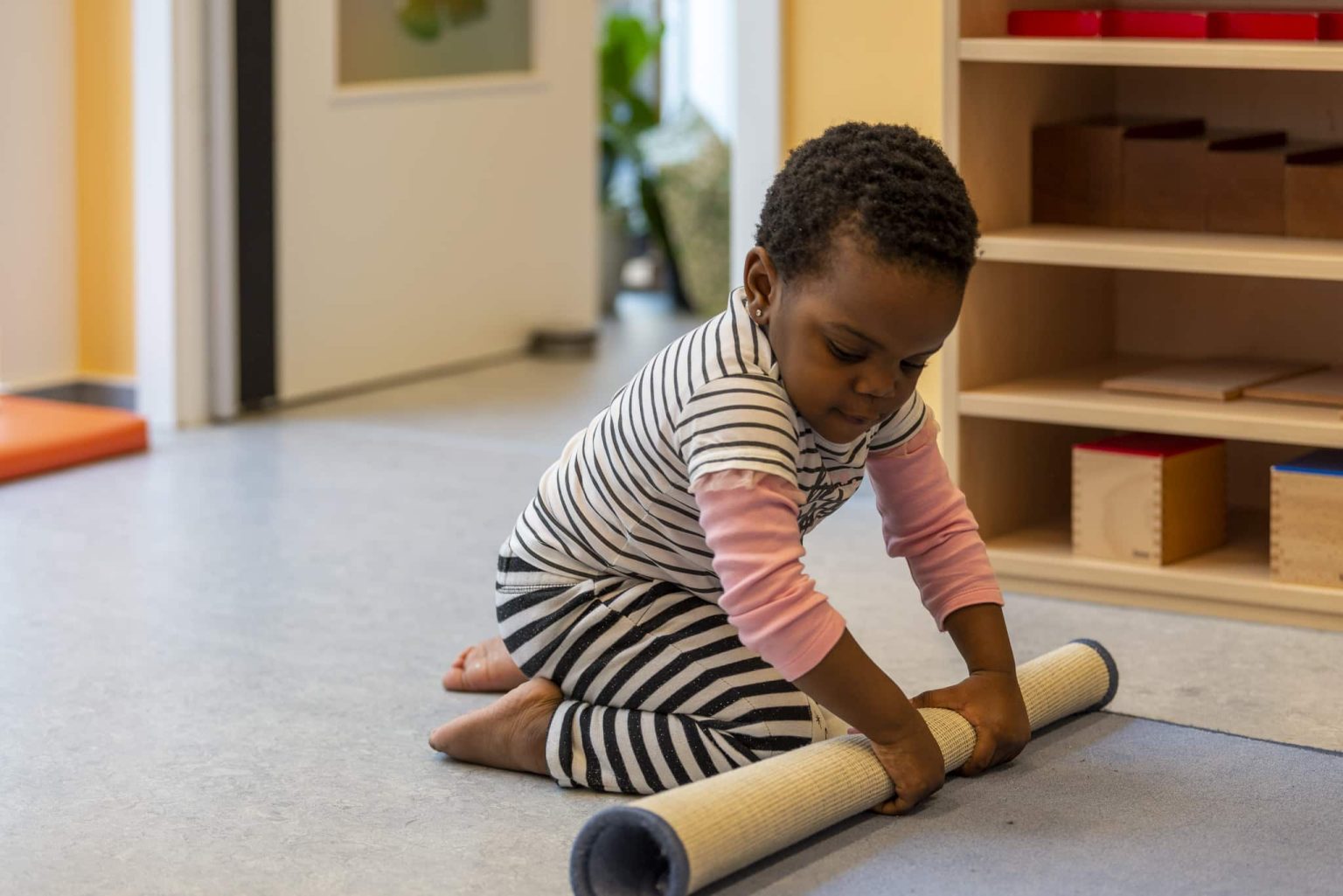
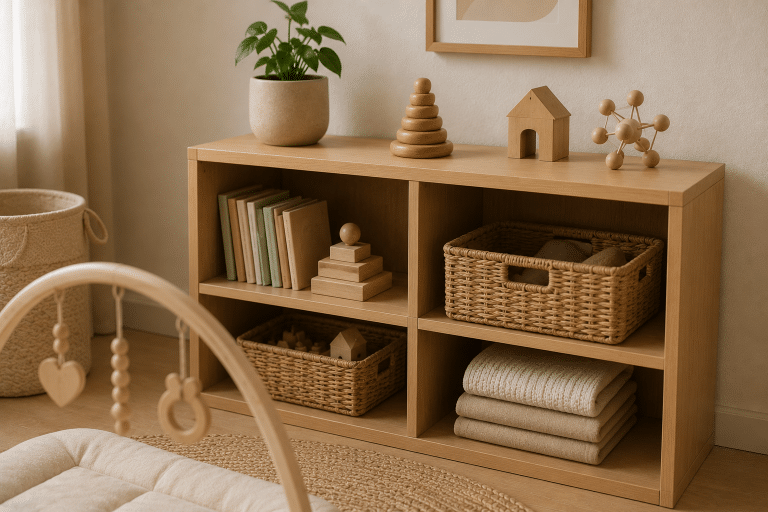
Furniture is adapted to their height, activities are within easy reach and materials are arranged neatly. Each item has its designated place, making it easier for children to find what they need and put materials away when they have finished.

This structured environment provides clear, consistent reference points and encourages children to take initiative. They can choose an activity, settle down, complete it and put it away in a space designed with their safety in mind.

The Association Montessori Internationale explains the importance of the prepared environment: spaces, accessible furniture and activities are organised to meet children’s needs and allow them to explore, handle materials and learn progressively.

Example: learning to correct mistakes independently

The Pink Tower is a Montessori sensorial material made up of cubes of different sizes. By stacking them, children discover the relationships between dimensions and refine their visual perception.

As they experiment, they may notice that a cube is not in the right place or that their construction does not match what they are trying to create. The material allows them to identify the adjustments needed and make them independently, without always waiting for an adult to step in.

This opportunity for self-correction is particularly valuable. Children learn to observe, adjust their movements and try again. Gradually, their sense of achievement comes from the process itself, rather than solely from adult approval.

The role of adults: supporting children without doing things for them

Encouraging independence does not mean stepping back completely. Adults remain essential in providing a secure environment, recognising children’s needs and introducing new learning opportunities.

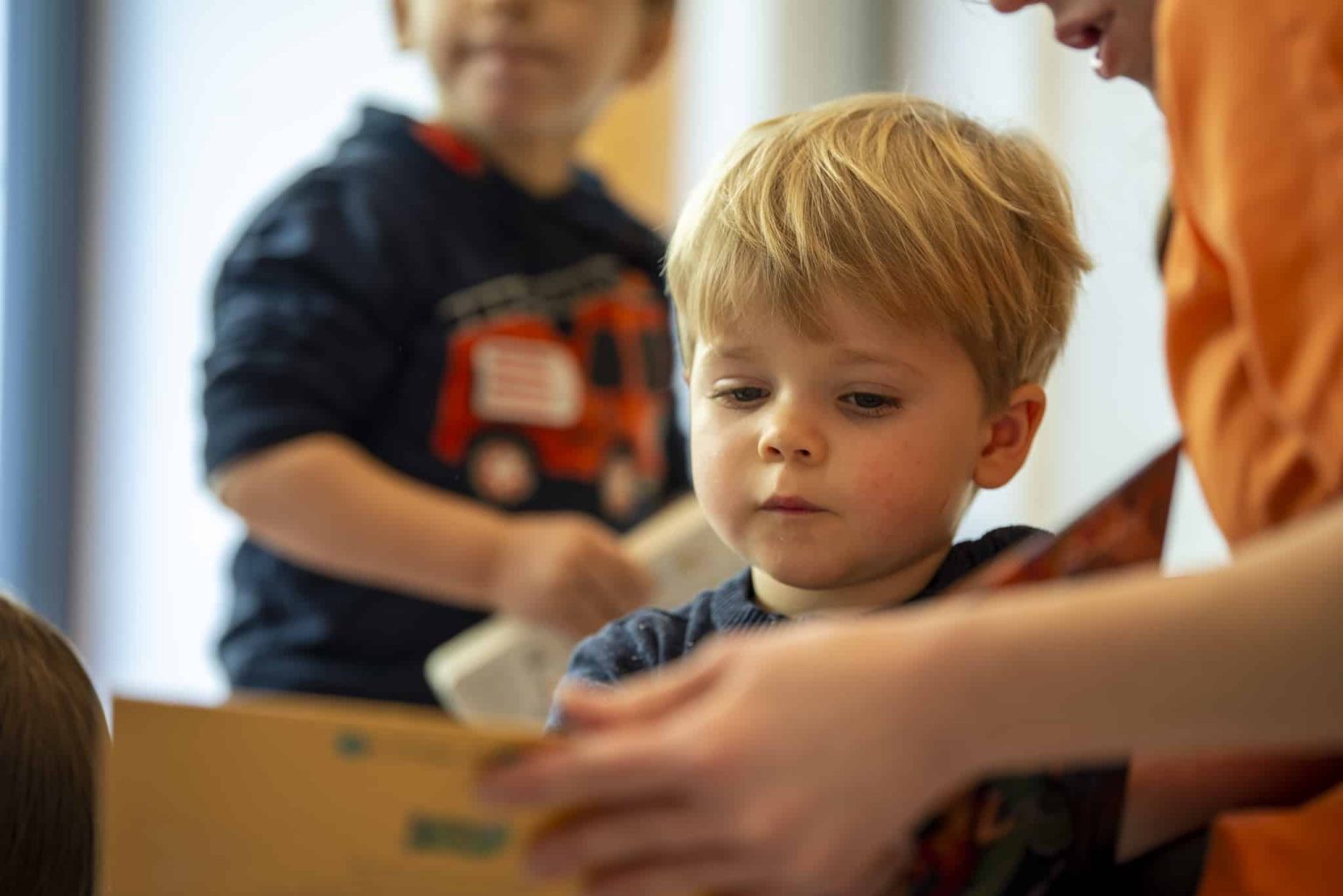
In Montessori education, the educator observes the child and demonstrates how to use materials through a precise presentation. Movements are performed slowly so that children can watch carefully and reproduce them.

The adult then intervenes when needed, allowing children time to handle materials, think and experiment.

This attention to interactions between children and the people around them also reflects UNICEF’s recommendations on early childhood development. The organisation highlights the importance of learning experiences, play and support that responds attentively to each child’s needs.

Example: exploring geometric solids

When a child shows an interest in materials featuring geometric solids, the educator can introduce the activity.

They arrange the shapes on a mat, pick up a sphere and handle it with both hands before offering it to the child. The child can then touch it, observe it and discover its three-dimensional form. The presentation continues with other shapes, such as a cube, prism or pyramid.

The child is given an initial reference point and can then explore the materials at their own pace.

This approach illustrates the balance Montessori education seeks to achieve: the adult demonstrates the necessary actions but then gives the child the space to practise and make them their own.

>
>

Montessori materials: learning through hands-on exploration

Montessori materials are designed with specific educational objectives in mind. They allow children to explore abstract concepts through concrete, hands-on experiences.

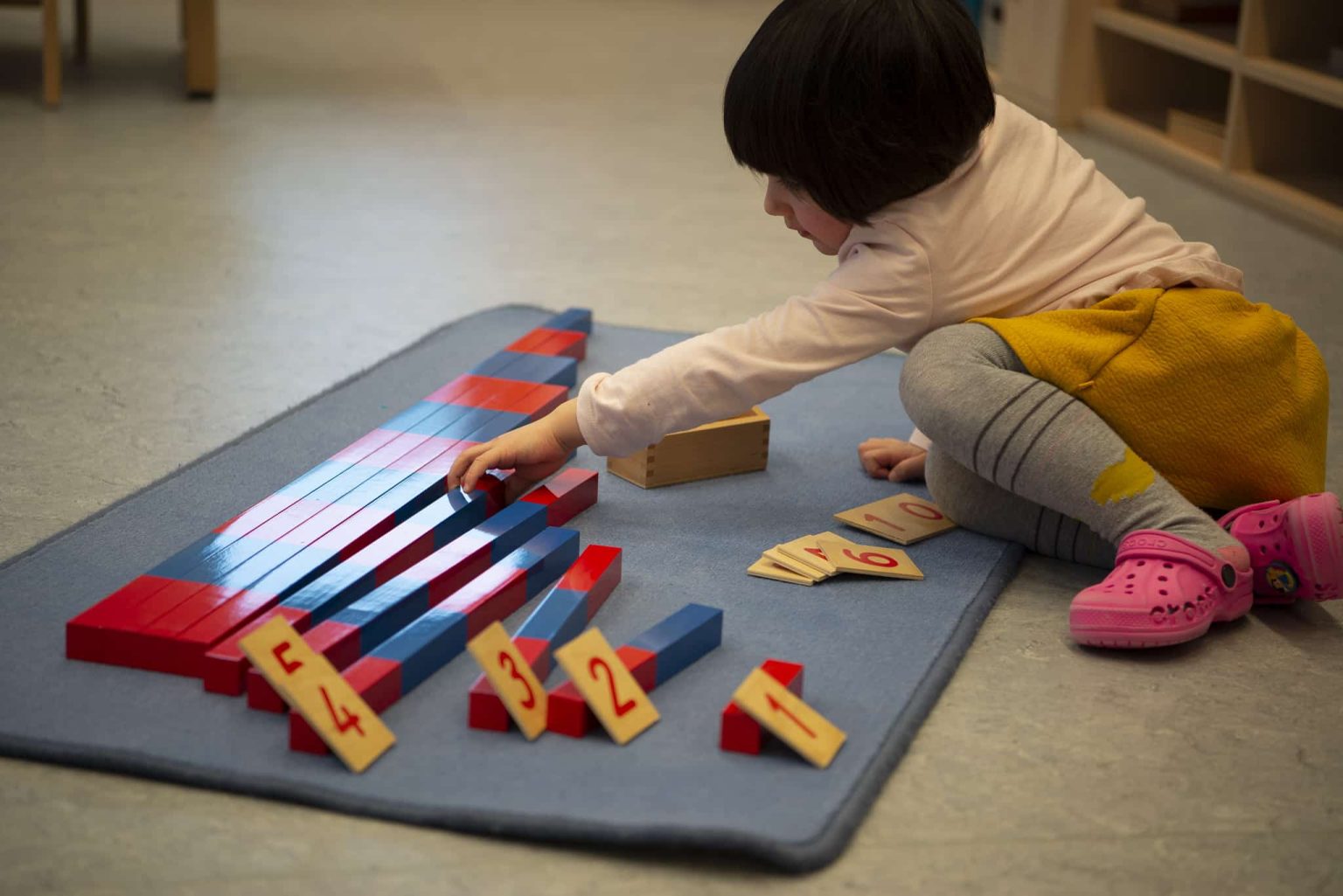
The Red Rods, for example, consist of rods of different lengths that children can handle and arrange. By placing them in order from shortest to longest, children refine their perception of dimensions and gradually discover the concept of gradation.

Some Montessori materials incorporate a built-in control of error, allowing children to identify inconsistencies for themselves and work out how to correct them.

Through handling, comparing and trying again, children develop concentration, observation skills and independence in learning.

The value lies not only in the knowledge they acquire but also in the process itself: trying, noticing, adjusting and making progress.

Mixed-age groups: a valuable learning opportunity

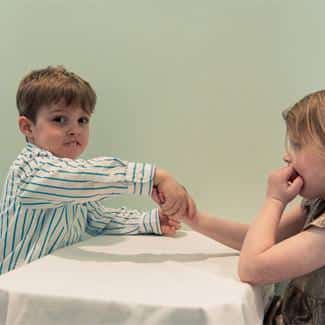
In Montessori education, mixed-age groups encourage interaction and learning between children.

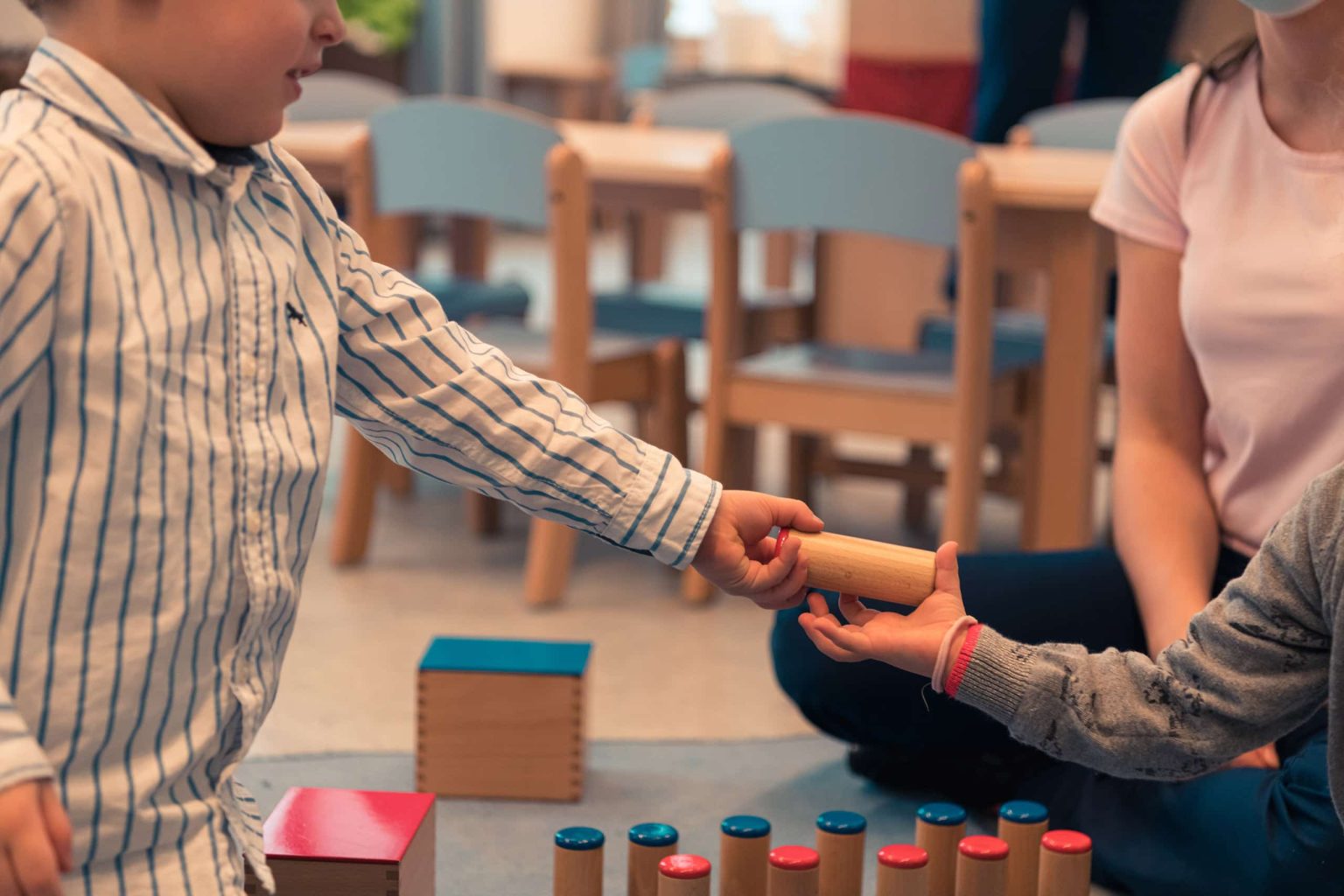
Younger children observe older ones and learn from their actions. Older children, in turn, may explain an activity, demonstrate a process or help a classmate.

These situations encourage cooperation and allow each child to contribute to group life according to their abilities.

They also foster respect, patience and a sense of responsibility. By observing different ways of doing things, children discover new strategies and learn to find their place within a group.

Mixed-age learning does not mean that all children learn in the same way or at the same pace. Rather, it offers additional opportunities to observe, interact and grow together.

>
>

Respecting each child’s individual pace

Independence cannot be imposed; it develops gradually within a secure environment and a relationship built on trust.

Some children show an early desire to get dressed by themselves, choose their activities or take part in everyday tasks. Others need more time, repetition or encouragement before they feel ready to try.

These differences are a natural part of development. Comparing children with one another or expecting everyone to master a skill at the same time can create unnecessary pressure.

Instead, the aim is to observe each child’s needs and offer experiences suited to their stage of development. When children feel understood and supported, they are more likely to take risks, experiment and accept that they may not succeed straight away.

The skills involved in planning an action, maintaining attention, adapting to change and gradually regulating behaviour also develop through experience.

Respecting a child’s pace does not mean giving up on supporting their progress. It means offering new challenges at the right time while remaining attentive to their abilities and needs.

How to encourage independence at home

You do not need specific Montessori materials to encourage your child’s independence. Everyday situations offer plenty of opportunities for children to participate, experiment and gradually take initiative.

Here are a few simple ideas to try at home:

  • Give your child time to try: When your child wants to put on their shoes or fasten their coat, give them a few moments to work out how to do it before offering help.
  • Adapt the environment: Keeping a few books, toys or everyday objects within reach makes it easier for children to choose what they want and put things away afterwards.
  • Offer simple choices: Ask whether they would prefer one outfit or another, or which activity they would like to do. This helps them express their preferences.
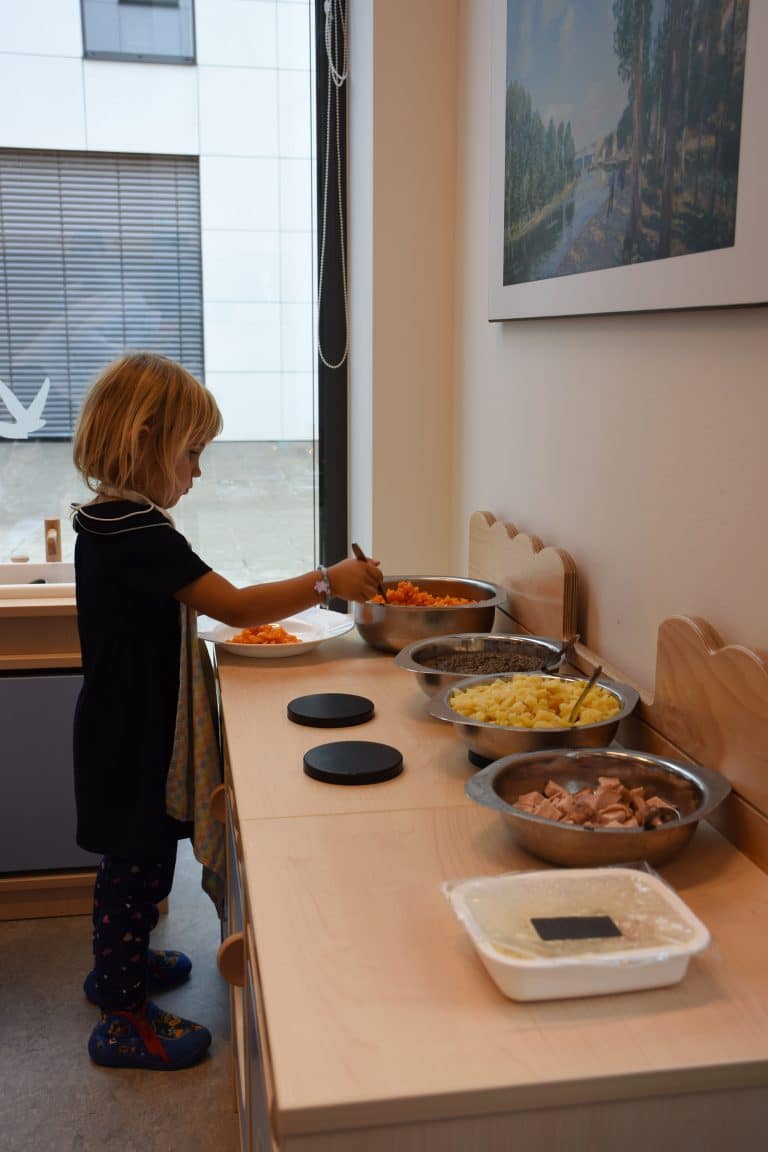
  • Invite them to take part in everyday tasks: Putting a few toys away, placing napkins on the table or watering a plant are all opportunities to act independently.
  • Acknowledge their emotions: Putting their feelings into words and remaining available helps children better understand their reactions.
  • Recognise their efforts: Acknowledging perseverance and the solutions they try to find builds confidence, even when the result is not perfect.

The key is to adapt these opportunities to your child’s age and abilities without turning every moment into a learning exercise. Independence also develops through the small actions children repeat every day.

>
>

Independence: a skill that grows with your child

Learning to do things independently, take initiative, think critically and cooperate with others are skills that develop gradually throughout childhood.

Montessori education supports this progression through a prepared environment, hands-on experiences and guidance that gives children opportunities to act for themselves.

Independence does not mean no longer needing other people. Rather, it helps children build confidence, understand their own abilities and participate more actively in their surroundings.

Growing in independence means gradually learning to do things for yourself while knowing that you can still rely on others.

To learn more, read our article on fine motor skills in children and Montessori activities that help develop them.