Food neophobia in children: why do they refuse to taste food, and how should you react?

Does your child, who once loved carrots, now refuse to even touch them? Do they push away unfamiliar foods, grimace at new vegetables, or insist on eating the same dishes over and over again?

Such behaviors can be unsettling for parents, especially when mealtimes become a source of tension.
Food neophobia in children: why do they refuse to taste food, and how should you react?

Did your child love carrots and now refuses to touch them? Do they push away a food they don’t recognise, grimace at new vegetables or keep asking for the same dishes? These behaviours can be unsettling for parents, especially when mealtimes become a source of tension.
Yet between the ages of roughly 18 months and 6 years, many children go through a phase known as food neophobia: they are reluctant to taste new or unfamiliar foods. This is a normal part of development and is not necessarily a sign of being difficult.

So why does a child suddenly refuse certain foods? How can you recognise food neophobia and, above all, how can you support your child day to day without creating a power struggle around food?

>
>

What is food neophobia in children?

The term “neophobia” combines the Greek words neos, meaning new, and phobein, meaning to fear. Food neophobia therefore refers to the reluctance or refusal to taste foods that are new or perceived as unfamiliar.

It often appears during early childhood, frequently from around 18 months, and can last until about 6 years of age. Its intensity varies from one child to another.

This phase is considered a common and generally temporary stage of development. The child begins to assert their preferences, make choices and better identify what they do or don’t know.

It is important to distinguish between two situations:

  • Food neophobia: the child mainly refuses foods they don’t know or that seem different from what they are used to eating.
  • Rejection of an already familiar food: the child may dislike a particular flavour, smell or texture, even after having tasted the food before.

These situations can overlap, but they don’t necessarily mean the same thing.

To learn more about this phenomenon and find advice for families, see the French national health insurance (Assurance Maladie) guide on feeding children aged 3 to 18.

Why do children refuse new foods?

Food neophobia is linked to several developmental mechanisms. It can notably be explained by an instinctive caution towards the unknown.

Over the course of evolution, humans have developed protective mechanisms that can encourage wariness towards certain unfamiliar foods. In a young child, this caution can show up as a refusal to taste a dish whose appearance, smell or texture is unfamiliar.

The child gradually builds a mental picture of what they consider acceptable to eat. A familiar food feels reassuring; a food that doesn’t match their reference points can cause apprehension.

Colour, smell and texture play an important role

A child may refuse a green purée, pick out the pieces on their plate, or accept a raw carrot while rejecting a cooked one.

These reactions can be linked to the way the food looks, its consistency, its smell or the taste experience the child anticipates.

A child may also accept a food in one form but not in another. Chopped tomato, for example, doesn’t necessarily give them the same sensations as tomato sauce.

This sensitivity to the characteristics of food explains why familiarisation is important: the child needs plenty of opportunities to look at foods, smell them and, gradually, taste them when they feel ready.

>
>

How to recognise food neophobia

Food neophobia can show itself in different ways. A child doesn’t need to display all of these behaviours to be reluctant about new foods.

Here are some possible reactions:

  • Refusing a food without even wanting to taste it
  • Studying what is on their plate for a long time
  • Sorting out foods when they are mixed together
  • Grimacing, turning their head away or pushing their plate away
  • Smelling foods or poking at them with their fork without putting them in their mouth
  • Accepting certain foods only when they are served in a familiar form
  • Spitting a food out after tasting it.

When faced with these behaviours, it is important to keep in mind that the child may genuinely feel apprehensive. Their refusal should not automatically be interpreted as an attempt to provoke the adult.

Observing their reactions helps you better understand what they find difficult and gradually adapt what you offer.

Key takeaway: an occasional refusal or a period of picky eating doesn’t necessarily mean a child has an eating disorder. If refusals become very frequent, last over time or affect their growth, health or well-being, it is best to talk to a healthcare professional.

How to support food neophobia day to day

The first rule is simple: don’t force the child to eat or taste.

Insisting, threatening, punishing or making a reward conditional on eating a food can increase tension and make mealtimes unpleasant. The aim is instead to help the child gradually become familiar with foods in a reassuring atmosphere.

1. Offer a food several times without insisting on tasting it

A child who refuses broccoli today won’t necessarily refuse it forever.

They may need several opportunities to get used to its colour, smell, appearance and taste. It is recommended to offer refused foods again at other meals, without forcing the child.

There is no universal number of exposures that guarantees a food will be accepted: some children change their mind quickly, while others need more time.

The key is to keep offering a variety of foods without turning every meal into an ordeal.

2. Vary shapes and preparations

The same food can be presented in different ways: steamed, puréed, in a soup, in a gratin or in small pieces suited to the child’s abilities.

This variety lets the child discover different textures and presentations while still keeping a familiar food.

A child who refuses sliced courgette might, for example, accept it in a different preparation. There is no need to systematically hide vegetables: the aim is also to let the child recognise them and become familiar with them.

To explore these recommendations further, see the advice from the French national health insurance (Assurance Maladie) on helping children discover new foods.

3. Let children discover food away from the table

Discovering food doesn’t necessarily begin at mealtime.

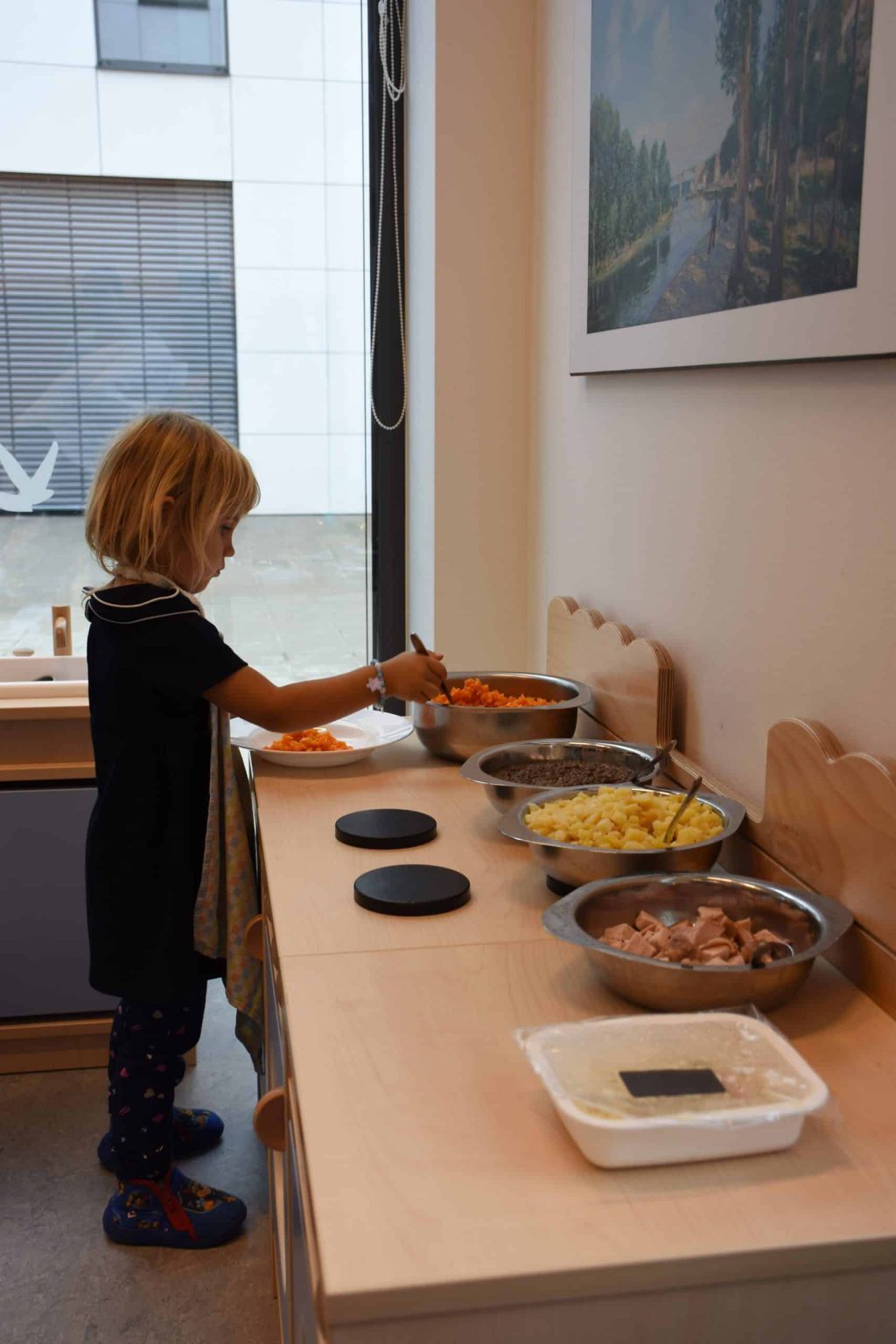
Inviting the child to look at a whole vegetable, smell a fresh herb, touch the skin of a fruit or watch how a food is prepared can help them get familiar with it.

You can also involve them in simple activities:

  • Helping prepare an age-appropriate recipe
  • Washing vegetables under adult supervision
  • Looking at fruit and vegetables at the market
  • Choosing between two foods on offer
  • Finding out where foods come from and how they grow

These experiences spark curiosity and let the child meet foods in a positive context, with no obligation to eat them.

4. Keep mealtimes pleasant

The setting in which the child discovers food matters too.

A calm, friendly meal without pressure encourages a more relaxed relationship with food. Adults can set an example by eating a variety of foods themselves and showing their curiosity, without demanding that the child copy them.

Conversely, negative comments, comparisons between children and repeated negotiations over every mouthful risk making mealtimes harder.

Mealtime should remain a moment of sharing, during which the child can discover new flavours at their own pace.

5. Put words to discoveries rather than refusals

When a child pushes a food away, you can acknowledge their reaction without getting into a conflict.

Rather than telling them they must eat because it’s good for them, invite them to describe what they notice: “This vegetable is orange”, “It’s crunchy” or “Its smell is different from the carrot’s”.

This way the child can develop their sensory curiosity without feeling obliged to like the food straight away.

It is also important to respect their hunger and fullness signals, and not to insist that they finish their plate.

>
>

Food neophobia: what is the role of adults in group care?

At the nursery, meals are also moments of learning and socialising. Children share a collective experience in which they can watch their peers, discover new dishes and gradually become familiar with different foods.

The adult plays an essential role by offering suitable meals, maintaining a reassuring framework and respecting each child’s needs.

The aim is not to force children to eat the same amount or to expect them all to like every food. Support is based on observation, patience and repeated offers.

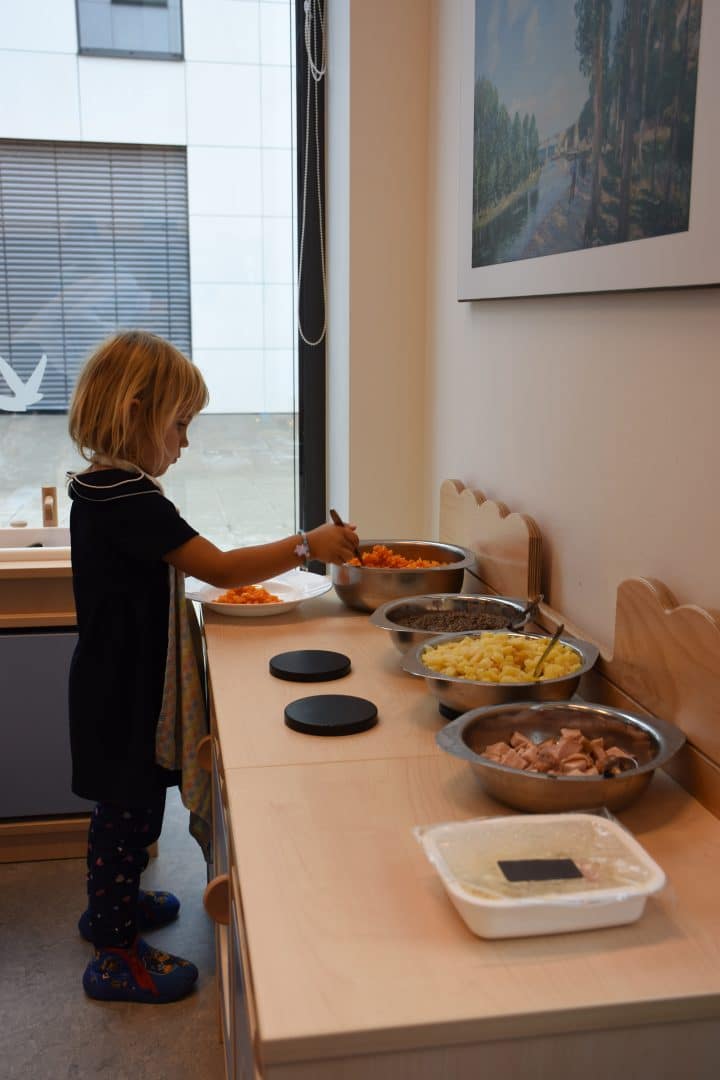
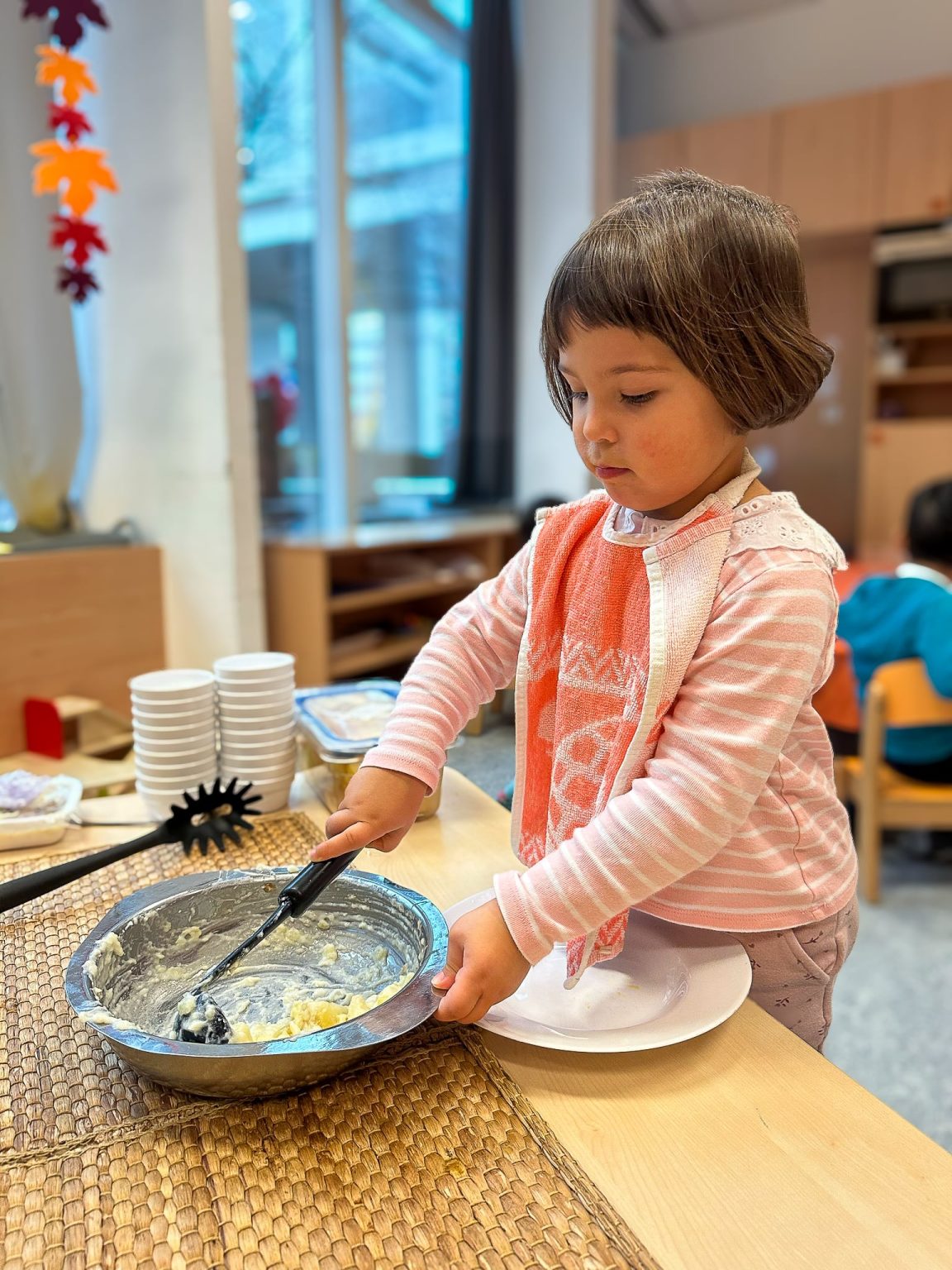
Discovery can also continue outside mealtimes, through activities around fruit, vegetables, the seasons or cooking.

In an educational approach that values exploration and respect for the child’s own pace, these experiences can help develop their curiosity and independence.

When should you seek advice from a healthcare professional?

Food neophobia is common in young children, but not every food refusal should automatically be put down to this developmental phase.

It is advisable to talk to the paediatrician or family doctor if:

  • The list of accepted foods becomes very limited
  • Mealtimes cause significant distress or repeated conflicts
  • The child seems to be losing weight, isn’t growing as expected or shows signs of deficiency
  • They have difficulty chewing or swallowing
  • Refusals come with pain, repeated vomiting or other worrying symptoms.

A healthcare professional can assess the situation and determine whether additional support is needed.

The aim is not to worry about every refusal, but to stay attentive to the child’s overall development, their food intake and their well-being.

>
>

Food neophobia: patience and trust above all

Food neophobia can be a bewildering time for parents. Yet it doesn’t mean their child will stay difficult at the table for good.

By regularly offering a variety of foods, changing how they are presented and encouraging sensory discovery, adults give the child opportunities to gradually become familiar with new flavours.

They don’t need to taste everything straight away. Looking, smelling, touching or simply accepting the presence of a food on their plate can already be a step in their discovery.

The most important thing is to preserve a relaxed relationship with food: offer without forcing, encourage without pressure and give the child time to build their own food reference points.