- Home
- /
- Parents' Corner
- /
- Infant sleep: rituals and tips for more peaceful nights
Infant sleep: rituals and tips for more peaceful nights
Interrupted nights, frequent awakenings, and occasional difficulty falling asleep are common concerns for many new parents. During the first few months of life, an infant’s sleep patterns evolve rapidly; each baby gradually develops their own rhythm, shaped by their age and temperament.
How can you understand your baby’s sleep needs? What routines can you establish to make falling asleep easier? How can you create an environment conducive to peaceful and safe sleep?
Discover our tips for supporting your infant with gentleness, respecting their individual rhythm, and approaching the nights with greater peace of mind.
Understanding infant sleep: needs that change with age
At birth, a baby’s sleep is still immature. Unlike an adult’s, it does not immediately follow a regular day–night rhythm. Periods of sleep are spread across the full 24 hours, interspersed with times of wakefulness, feeding and close contact with the parents. Over the weeks, the child’s biological clock gradually develops. Some babies then start sleeping for longer stretches at night, while others continue to wake regularly.
It is therefore important to keep in mind that night waking is common in infants and does not necessarily mean that they are sleeping badly.
How many hours should a baby sleep?
Sleep needs vary from one child to another. As a guide, the World Health Organization (WHO) recommends the following amounts of sleep, including naps: From 0 to 3 months: 14 to 17 hours a day. From 4 to 11 months: 12 to 16 hours a day. From 1 to 2 years: 11 to 14 hours a day. These durations are guidelines, not targets to be reached at all costs. Your child’s general condition, behaviour and signs of tiredness also matter. To find out more, see the WHO recommendations on sleep and development for children under 5.
Why does my baby wake up several times a night?
Night waking can have various causes: hunger, the need for closeness, discomfort, a dirty nappy or the developmental stages the child is going through. Infant sleep cycles are also different from those of adults. When moving from one sleep phase to another, a baby may move, make little sounds or open their eyes. Some babies fall back asleep on their own, while others need an adult nearby to settle again. The key is to observe your child and gradually learn to recognise their needs, without comparing their sleep to that of other babies.
Creating a reassuring bedtime ritual
A bedtime ritual is a valuable point of reference for an infant. Repeating simple gestures helps them find themselves in a familiar setting and move gradually from wakefulness to sleep. There is no universal ritual: the aim is to find a routine that suits your child and the way your family is organised.
A few ideas for establishing an evening routine:
Watch for signs of tiredness
Yawning, rubbing the eyes, a less attentive gaze or irritability may indicate that your baby is starting to get tired. Noticing these signals helps you offer bedtime at the right moment for them, without waiting until they are overtired.
Create a calm moment
Gradually reducing stimulation before bedtime can help your baby settle down. Choose quiet activities, with soft lighting and a peaceful atmosphere.
Offer a bath if your baby enjoys it
Bath time can become a pleasant moment of relaxation and closeness with a parent. It is not essential every evening, however: adapt this step to your child’s preferences.
Read a story or sing a lullaby
Even very young babies benefit from their parents’ voices and closeness. A gentle song, a few pages of a picture book or reassuring words can become familiar points of reference.
Make time for a cuddle
Physical contact, being held and the presence of an adult help a baby feel safe. You can take the time to cuddle them, talk to them softly, or offer a breastfeed or a bottle as needed.
A ritual can be short and simple. What matters is its regularity and the sense of security it provides, rather than the number of steps.
Creating an environment that supports your baby’s sleep
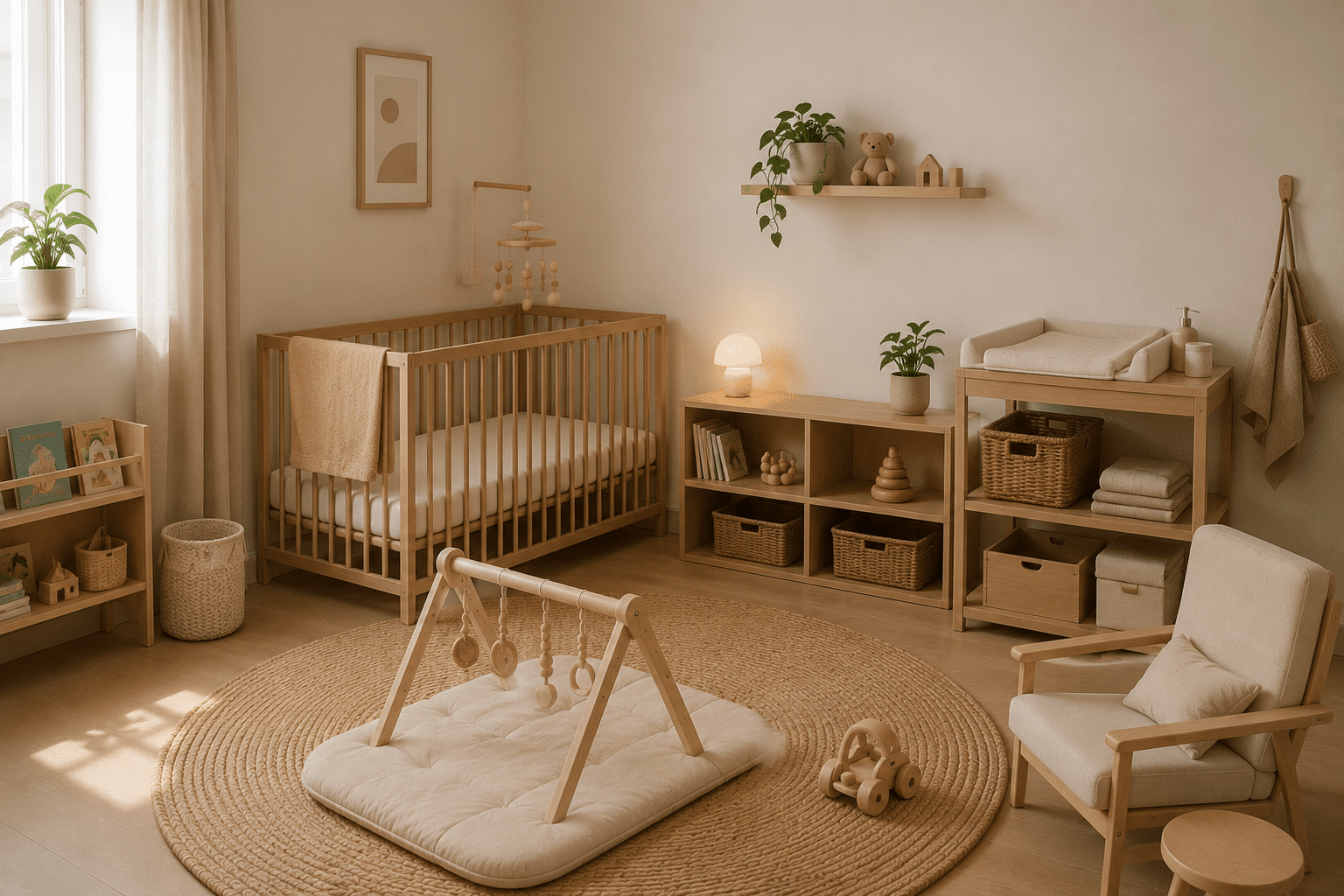
A suitable environment contributes to an infant’s comfort. The room, the temperature and above all the sleeping conditions deserve particular attention.
What temperature should a baby’s room be?
A temperature of between 18 and 20 °C is recommended in the prevention advice issued by the Luxembourg Ministry of Health. Also make sure your child’s nightwear is suited to the room temperature so that they do not get too hot.
How should you set up your infant’s cot?
Safe sleeping is essential. To reduce sleep-related risks, the recommendations advise: Always putting baby to sleep on their back, for every sleep, during their first year Using a firm, flat mattress that fits the cot Choosing a baby sleeping bag suited to the child’s size and to the room temperature Keeping the cot clear, with no pillow, duvet, loose blanket, cot bumper or soft toy Keeping baby’s head uncovered When baby starts rolling over on their own, continue to put them down on their back at the start of sleep. If they then change position by themselves, it is generally not necessary to keep repositioning them, as long as their sleep environment is safe. For the official advice, see the Maternity Booklet (Carnet de maternité) from the Luxembourg Ministry of Health and the WHO recommendations for safe sleep.
How should you respond when baby wakes up at night?
Night waking can be exhausting, especially when nights are short and broken again and again. Yet it is often part of an infant’s normal development.
Responding to your baby’s cries and needs
When your child wakes up crying, you can take a moment to observe the situation. If they keep crying, go to them and try to understand what they need.
They may be hungry, uncomfortable, need changing, or simply be looking for your presence to calm down. Responding to your baby’s cries is not a bad habit. On the contrary, an attentive and appropriate response gradually builds their sense of security.
This does not mean you need to step in at the slightest movement or sound: some babies move and make noises in their sleep. If your child still seems to be asleep and shows no sign of distress, you can watch them for a few moments.
Should baby go to bed at a set time?
A degree of regularity in bedtimes and waking times can help a child gradually build their points of reference. However, it is just as important to take into account their age, their naps and their signs of tiredness.
The aim is not to follow a rigid schedule, but to strike a balance between reassuring routines and respect for your baby’s individual rhythm.
Co-sleeping: what do you need to know?
Some parents consider sleeping close to their baby, particularly when breastfeeding or when night wakings are frequent. It is important to distinguish between room-sharing and bed-sharing. For the infant’s safety, the recommendations advise having baby sleep in their own cot, on a firm, clear surface, ideally in the parents’ room during the first months. An adult bed presents risks of suffocation and accidents for an infant.
If you breastfeed at night, take particular care not to fall asleep with your baby on a sofa or in an armchair. If you have questions about sleeping arrangements or night-time breastfeeding, ask your paediatrician or a healthcare professional for advice.
Baby’s sleep at nursery: respecting each child’s rhythm
Starting nursery is a new stage for a baby and their family. The change of surroundings, the presence of other children and the new daily routines can temporarily affect sleep.
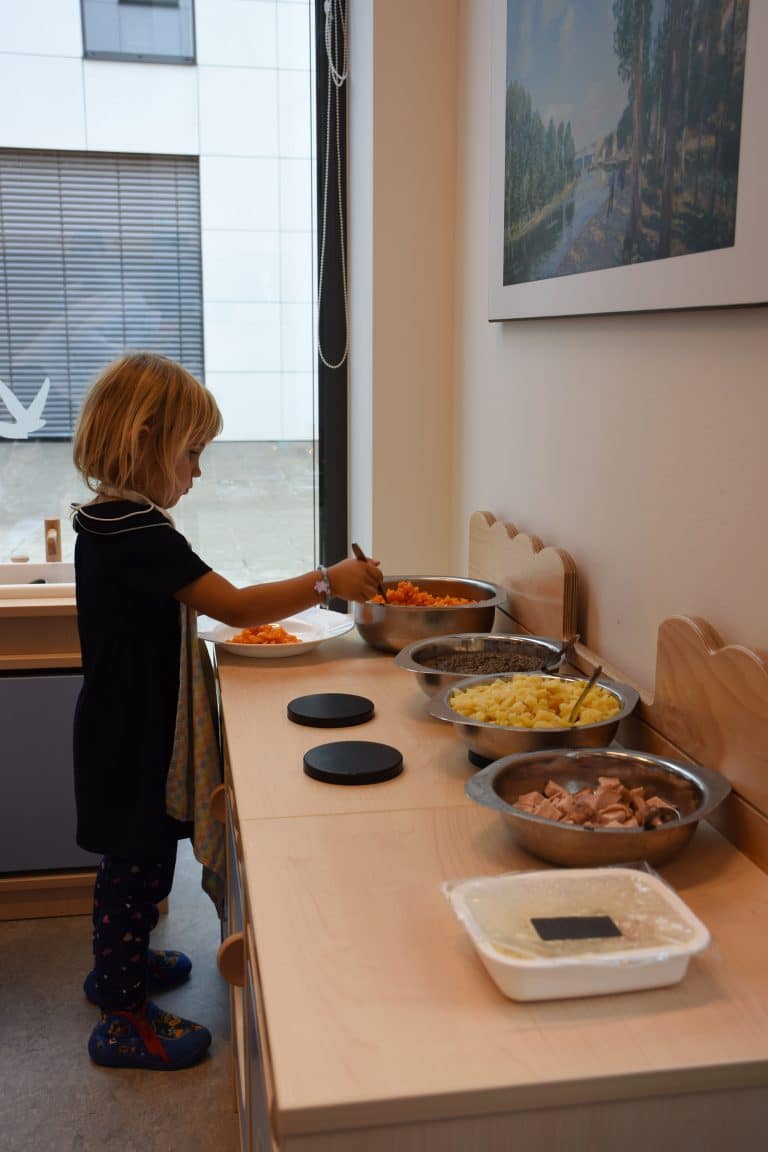
In a caring approach inspired by Montessori education, observing the child plays an essential role. Signs of tiredness, falling-asleep habits and individual needs allow professionals to adapt rest times as far as possible.
In Luxembourg, the national reference framework for non-formal education highlights the importance of taking into account the individual rhythm of infants and toddlers, particularly for meals, care and naps.
A calm environment, familiar points of reference and a relationship of trust with the professionals all help support this transition. Dialogue between parents and the nursery team is also valuable. Sharing your child’s sleep habits, any changes you notice at home or difficulties falling asleep helps everyone better understand their needs and ensures continuity between the different places where they spend their time.
To find out more, see the recommendations of the Ministry of Education, Children and Youth on the layout of sleeping rooms.
Infant sleep: patience, trust and support
Sleep changes throughout early childhood. A baby who used to sleep well may go through a period of more frequent waking. A ritual that worked for several weeks may also need adjusting. These changes do not mean that you are doing something wrong. Your child’s development, new skills and emotional needs are constantly evolving.
A few principles to guide you:
- Watch for signs of tiredness rather than looking for a perfect schedule.
- Keep reassuring routines at bedtime.
- Respond to your baby’s needs with kindness.
- Always prioritise a safe sleep environment.
- Ask a healthcare professional for advice if difficulties persist or if you are worried.
If your baby has breathing difficulties during sleep, unusual drowsiness or other worrying symptoms, seek medical advice promptly.
Finally, remember that parents’ sleep matters too. Accumulated tiredness can be hard to cope with: don’t hesitate to ask for support from those around you or from a professional when you feel the need.
In conclusion: supporting your baby’s sleep at their own pace
Infant sleep develops gradually. Simple rituals, a soothing atmosphere and a safe environment can create conditions that encourage rest, without guaranteeing full nights’ sleep. Every baby is different. By observing their needs, maintaining reassuring routines and trusting yourself, you are supporting them through this important stage of their development.
And if nights remain difficult, remember that you don’t have to solve everything on your own: your paediatrician and the professionals who care for your child can help you find answers suited to your situation.